There have been times in my life when I have wished I had never been born female - not in a transgender way - but insofar as it has always seemed that men have the better deal. Despite the fact that women have more freedom in all aspects of life than ever before, men still don't appear to suffer the same societal pressures as women. The media certainly propounds the belief that women should look young, pretty, slim - all the time. Wear stylish clothes, have perfect make-up and hairstyle - all the time. Have a perfect home, stylishly decorated and furnished. Attract a man with cash, and aspire to a certain lifestyle. Achieve success in your career, have children, and juggle your family responsiblities.
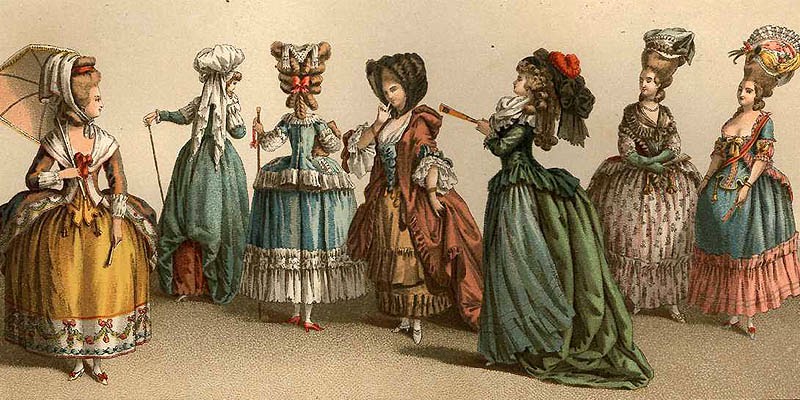
No woman is perfect, but that doesn't stop us trying to be so.
Imagine then, that you are female and born in the 18th century. Society is patriarchal and misogynistic. Men run the government, the army, and all business. If you choose to marry, not only must you adhere to all the society mores we have now vis a vis appearance etc.. (save the bit about a career) you have no vote, and are 'owned' by first your father and then your husband. When your father dies any inheritance you might come into passes straight to your husband. You simply have no money of your own. Interestingly, if your husband dies then you gain control over your finances until such time as you remarry, which is often why fairly well-to-do women chose to remain widows. This only works if you have no adult son. In this case, he inherits from his father and you are beholden to him. You must at all times defer to either father or husband, and later your son.

You will probably have many children and have no recourse to the kind of care we now take for granted. You will give birth at home, in great pain. Like as not your child will not survive to five, let alone adulthood. If you are poor you will be treated like a drudge and have to work like the proverbial devil to keep a roof over your head and food in your children's bellies or face destitution. The poor law existed to give certain assistance but only to dissuade you to make a claim on the parish and certainly not to help you survive. You will have little or no education, but there is at least a chance that you will have married for love.
If, on the other hand, you are rich, you will squander money on frivolity, but at least you will be able to read and write. Like as not you will have married to seal the fate of a family dynasty. Whether rich or poor you may be well treated or badly beaten by your husband. (Nothing new there then.)

There are two other options: you go into service and become a domestic servant, or you become a prostitute. Either way, you are doomed to live a hard life and suffer an early death. As a servant you will be obedient, subservient, humble and hard-working. As a prostitute you will answer to your pimp or bawd, hand over most of your earnings to them and suffer disease and multiple abortions/births/miscarriages. A few prostitutes became noted courtesans. A few were either kept by their beaus as a mistress, or they married them. Almost all had syphilis or gonorrhoea.
The only good thing about being a prostitute at this time was that if you were a fairly astute business woman you might be able to gain financial independence. You might be able to live a relatively comfortable 'old age'. At least the enlightenment had fairly free views on sex. One must maintain decorum, but behind this facade, anything goes.

What then of our heroine Kitty Ives? Where does she fit in all this? Well, she comes from formerly well-to-do farming family in Norfolk. When her father dies her mother has no income and cannot manage the farm on her own. Kitty comes to London to seek her fortune and is immediately preyed upon by Mother Shadbolt, who promises her an easy life of it, with clothes and balls and all the things a young girl might want from life. Of course what happens is that she is prostituted to pay for the things Mother Shadbolt supplies: the room Kitty occupies, the food she eats, and the clothes on her back. This then was the life of a prostitute. It has to be said, it still goes on to this day. Women enslaved into prostitution.
For Kitty, the only way out is to meet a rich benefactor, or die. To find out what happens to her, you have to read The Finish - go to the
website, and
sign up for the newsletter. Be in at the start of The Finish.


